
Rosacea comes and goes in flares. Knowing your triggers is half the treatment.
- Nature
- Chronic
- Most common
- Ages 30 to 60
- Laser
- Vbeam
What is rosacea?
Rosacea is a common, chronic skin condition marked by facial redness that flares and settles in cycles. It occurs more often in people with fair skin, in women, and between the ages of 30 and 60.
Common symptoms
- Flushing: frequent blushing or flushing is often the earliest sign.
- Persistent redness: a constant redness that resembles a sunburn.
- Bumps and pimples: small red bumps or pus-filled pimples, without the blackheads seen in acne.
Causes and triggers
Rosacea usually arises from a mix of genetic predisposition and outside triggers. A family history raises your risk. Common triggers include:
- Sun exposure and extreme temperatures, hot or cold
- Spicy foods, hot drinks and alcohol, particularly red wine
- Stress and strong emotions
- Wind and sudden weather changes
- Heavy exercise
- Some cosmetics, skin care products and medications that dilate blood vessels
Keeping a diary of your flares can help identify your own triggers.
Treatment options
Treatment depends on the severity and subtype of rosacea, and a combination is often used.
- Topical medications reduce redness and inflammation.
- Oral antibiotics help manage bumps and pimples.
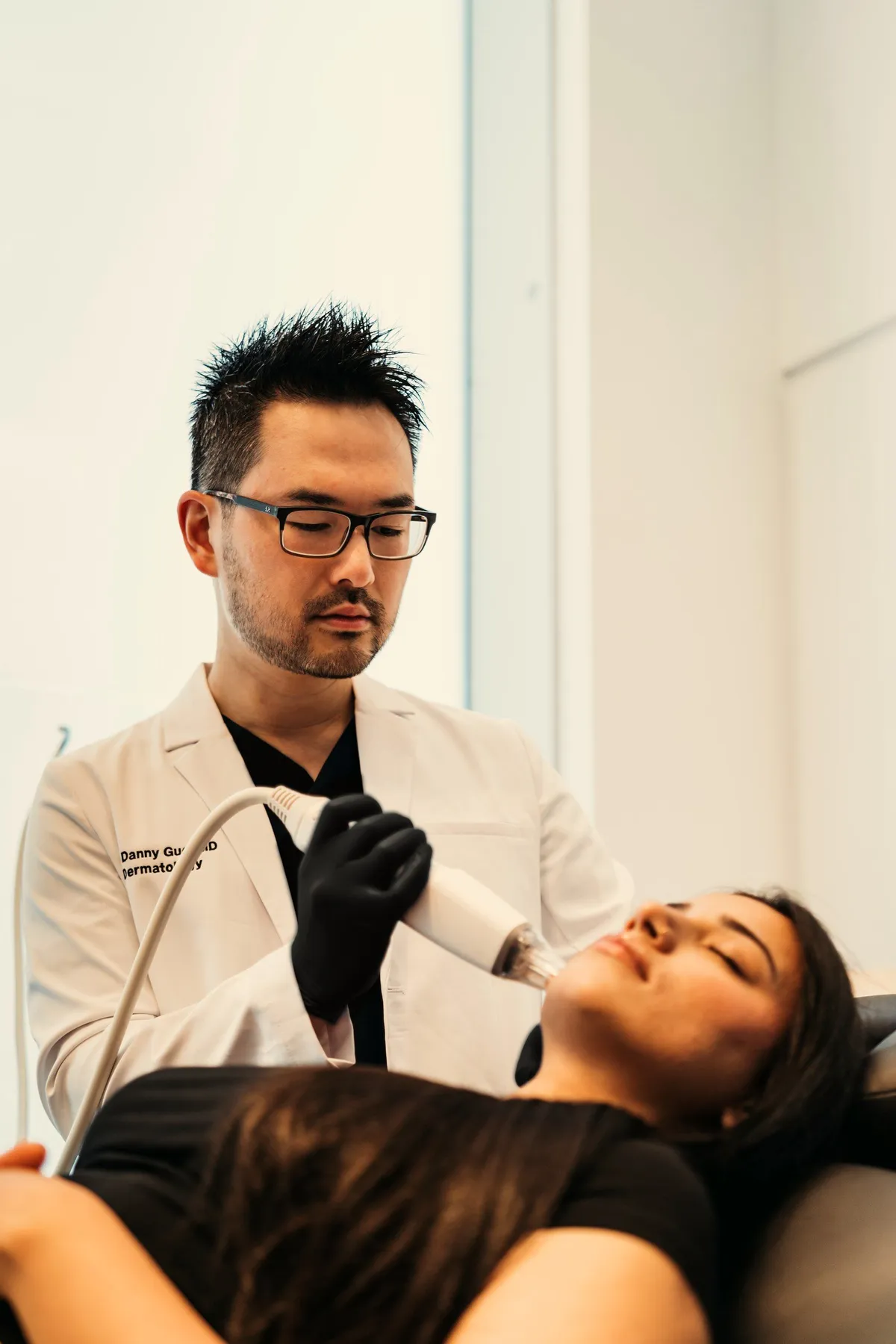
- Vbeam laser and light therapies minimise visible blood vessels by targeting hemoglobin.
Begin with
a conversation.
Book a consultationFAQs About Rosacea Treatment
What Causes Rosacea?
Rosacea is a common skin condition characterized by redness and visible blood vessels on the face. While the exact cause is unknown, factors such as genetics, environmental triggers, and the presence of certain bacteria may contribute to its development.
How Can I Treat Skin Redness Associated with Rosacea?
Treatment options for skin redness caused by rosacea include topical medications, oral antibiotics, laser therapy, and lifestyle changes to avoid triggers such as spicy foods and alcohol.
Can Laser Treatments Help Reduce Rosacea Symptoms?
Yes, laser treatments can often reduce the redness and visible blood vessels associated with rosacea. These treatments target blood vessels and may also stimulate collagen production, which can improve skin tone and texture.
What Are Some Common Triggers for Rosacea Flare-Ups?
Common triggers for rosacea flare-ups include sun exposure, hot beverages, spicy foods, alcohol consumption, stress, and certain skincare products.
Is Rosacea More Common in People with Light Skin?
Yes, rosacea is more commonly observed in individuals with fair or light skin tones. However, it can affect people of all skin types.
How Can I Improve Bumpy Skin Texture Caused by Rosacea?
To improve bumpy skin texture associated with rosacea, use gentle skincare products and do not exfoliate on your own, as scrubs and peels can irritate rosacea-prone skin. Topical treatments prescribed by a dermatologist can target inflammation and reduce bumpiness.
Are Broken Blood Vessels a Common Symptom of Rosacea?
Yes, broken blood vessels, also known as telangiectasia, are a common symptom of rosacea. These visible blood vessels often appear on the cheeks, nose, and chin, contributing to the overall redness of the skin.
Can Rosacea Lead to Damage to the Skin?
Yes, if left untreated, rosacea can lead to damage to the skin, including thickening, texture changes, and even permanent redness or visible blood vessels. Early diagnosis and appropriate treatment help prevent skin damage.
How Can I Determine My Skin Type When Treating Rosacea?
Determining your skin type is crucial when treating rosacea to choose the most suitable skincare products and treatments. A dermatologist can assess your skin type and recommend an appropriate treatment plan.
Is Rosacea Considered a Cosmetic Skin Condition?
While rosacea primarily affects the skin's appearance, it can also cause discomfort and impact overall quality of life. Therefore, while it may be considered a cosmetic skin condition, its effects extend beyond aesthetics.